The Sober Space project caters for the intoxicated in need of a bed
By Matthew Hirsch
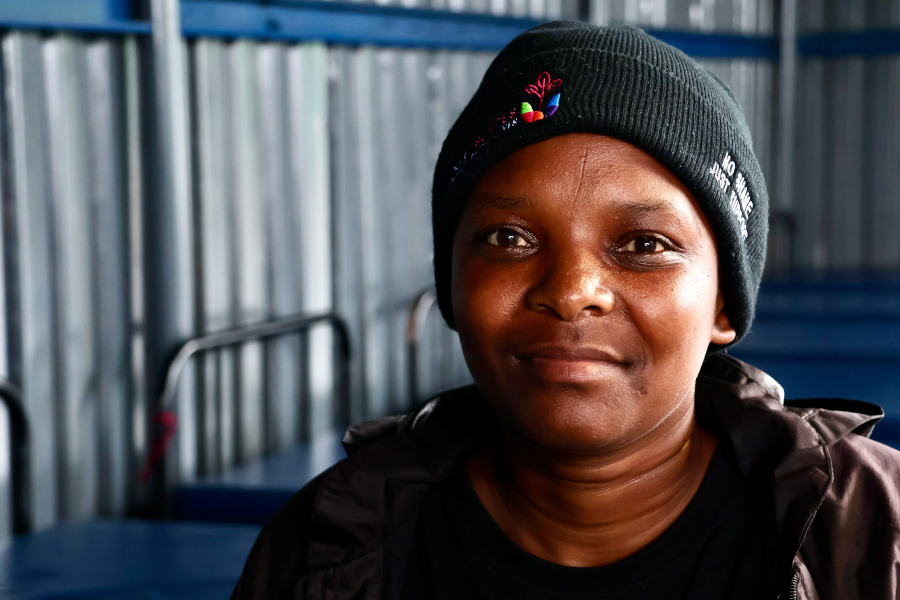
Bonelwa Xaka lived on the streets of Cape Town for more than five years. Now she is a peer support specialist in a “Sober Space” pilot project in Cape Town, set up to offer a place to homeless people who would be turned away from other shelters because they are drunk.
Every night, Xaka opens the door to the 12-bed space, which is separate from the main dormitory in the City of Cape Town’s Safe Space in Culemborg on the Foreshore. The pilot programme, the result of a partnership between Streetscapes and the Cape Town Central City Improvement District (CCID), has been in operation since 1 November 2025.
In six months, the 12 beds have been used by 165 people. Nearly three-quarters of them have taken up the offer of an appointment with a social worker who can help them with their substance use. Some attend weekly sessions.
Xaka works with a team of five other peer supporters, taking turns to work the night shift from 8pm to 5am, welcoming people who need a space to sleep. “We normally put them on the bed and take off their shoes, and then we cover them with blankets.”
Those who are hungry are given food.
The busiest time is between 8pm and midnight, Xaka says.
Xaka herself did not use alcohol or drugs, but she knew many who did. After going through the Streetscapes programme and becoming a peer support specialist, she now lives in a flat in Delft with her three children.
“I’ve got an opportunity to support my brothers and sisters, who are still out there living on the streets,” Xaka says.
Being on the streets, she says, is “not safe at all. To survive, you need to stay with other people.”
She is worried about what might happen when the pilot ends on 30 June.
“A lot of things happen to people who are intoxicated outside. This space is very helpful for our clients because now they get a chance to speak to a social worker.”
“Some of them change their lives,” said Xaka.
Jesse Laitinen, Streetscapes’ founder and manager, said she hopes the project will continue.
“The sober space pilot forced us to face a reality we often avoid: most people needing safe spaces are navigating substance use issues. Instead of turning them away or demanding perfection, we can offer non-judgmental help, peer support, and a genuine gateway to other services.
“The pilot has also shown the incredible value of peer workers,” Laitinen said. “They build trust in days, not months. They meet people where they are, without shame or lectures, and motivate change from a place of lived experience – not authority. That is what makes people feel truly safe.”
Francine Higham, mayco member for community services and health, said the City was currently evaluating the pilot project, which, she said, addressed a critical need. ~GroundUp