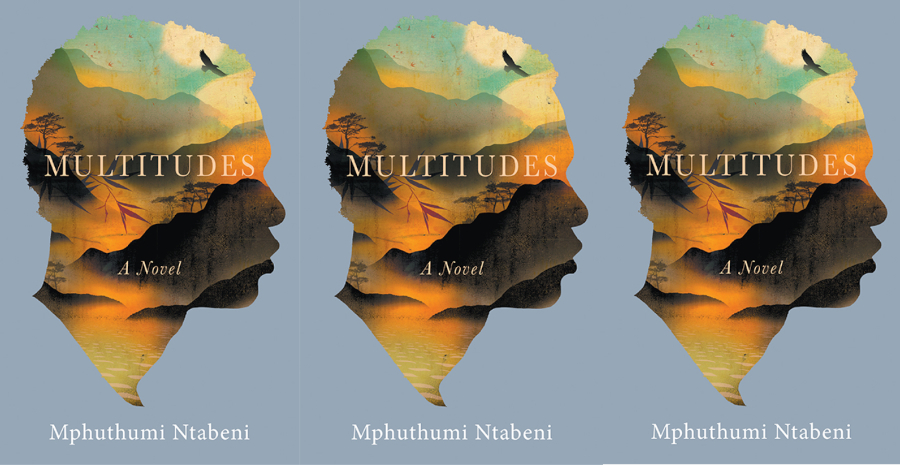
Mphuthumi Ntabeni’s third novel, Multitudes, is essentially a prequel to his first, The Broken River Tent.
Ntabeni said so in one of the panel discussions he was part of at the recent Open Book festival. But what he also said, is that it is “a prequel that is also a sequel” because the protagonist, Phila, is older in Multitudes while the historical narrative within it predates the one in his debut.
A writer of historical fiction, Ntabeni introduced readers to the story of Xhosa warrior Maqoma from a Xhosa perspective in Broken River Tent, refreshingly breaking away from the colonial perspectives written by the eventual victors of what, incredibly, turned out to be a 100-year war.
The freshness of that perspective, along with clear narrative device, made Broken River Tent a work that stood on the threshold of being a major South African novel.
Not so with Multitudes, unfortunately. Ntabeni said he needed to tell the story of Rharhabe, Maqoma’s great grandfather, and what happened before the world the Xhosa people were familiar with was torn apart by the blood and dispossession of the frontier wars in what we now call the Eastern Cape. But the clumsiness of writing a novel that is both prequel and sequel is evident in the the structure of the work. Abrupt and poorly developed changes hobble it even if read as a stand-alone work, which is entirely possible.
In Broken River Tent, a young Phila goes through a logical and understandable effort to resist the calling of the ancestors, concerned – as if often the case – that he is becoming mentally ill or even schizophrenic. Only once he gives in is he able to find peace and even gain strength and understanding from Maqoma’s visitations. There is no such plot development in Multitudes. We simply encounter a man who has visions and dreams in which he encounters historical Xhosa characters from the 18th Century. This is anachronistic to his upper middle-class life in contemporary Cape Town yet there is no perceivable rift, or tension in this. It is, in short, not believable, and the prose in which these visions are laid down, which in parts echo the tone of John of Patmos’s Revelations, doesn’t help. Nor do the loose strings of a murder Phila is an immediate witness to in the early chapters, which is left to occasionally drift like smoke through a later chapter. By that point I’d forgotten there was a murder.
Compounding the unfortunate missteps within the plot is the fact that Rharhabe’s story, told predominantly through his first-born, the warrior princess Ntsusa, is one that demands telling. What we know of Ntsusa – and her story has all the elements of Greek tragedy and Shakespearean drama, including parricide – is contained in an historic eight-hour interview conducted by Scottish missionary James Laing when Ntsusa was 102 years old. Given Ntabeni’s particularity when it comes to historical fact, it deserves to be contained in a better narrative structure.
Ntabeni is certainly capable of beautiful, evocative writing. This is evident in the letters Phila writes to his late wife, H, and in his wonderful descriptions of cities. Were it not for what unfortunately seems an intrusion of historical characters and the unresolved murder, Multitudes could be a compelling meditation on loss, sorrow, and middle age. As it stands, it feels as if too much is packed into too small a suitcase.
Another unresolved plot is that Phila is struggling to write a book on the late exiled writer Bloke Modisane who penned Blame Me on History and died while still in exile from the apartheid state. Having received an advance from his publisher, Phila is avoiding his deadline. Whether this is one of the autobiographical echoes in Multitudes is not known, but there is the sense Multitudes was stuffed between the covers like a suitcase hastily packed before an international departure.